A Morning Walk Built Around One City Landmark
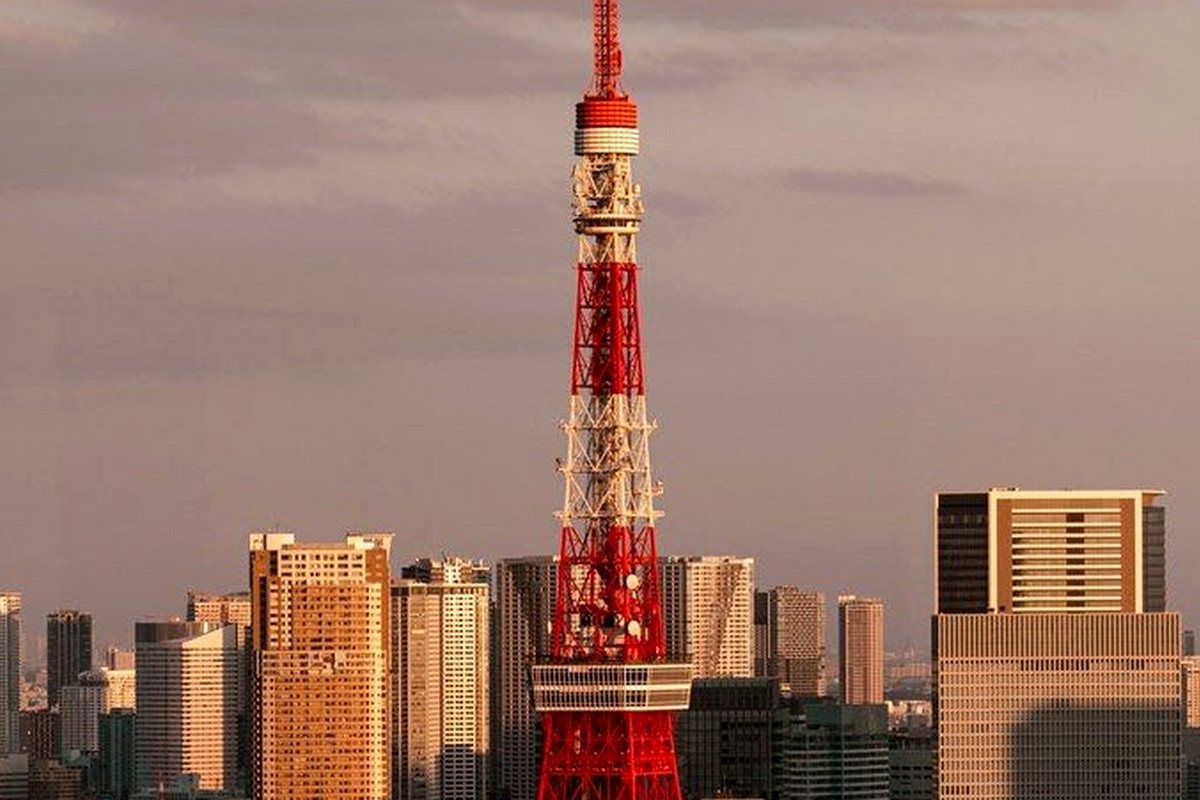
A city landmark can be useful even when you have no interest in joining a queue or treating it as a must-see attraction. A tower, station clock, bridge, dome, market hall, or unusual high-rise can simply give a walk a clear center. Instead of planning six destinations, you keep one object in mind and explore the streets that change the way it looks.
Begin farther away than you think
Start where the landmark is visible but not dominant. Two or three neighborhoods away is often enough. At that distance, it belongs to the skyline rather than filling the frame, and you can notice how ordinary streets point toward it or hide it completely.
This first section of the walk is less about reaching the landmark than about watching it appear and disappear. A row of trees may cover it for several blocks. A turn at an intersection may suddenly bring it back. Those changes give a familiar route a sense of progression without requiring a formal itinerary.
Let the view choose a few turns
When you reach a junction, take the street that gives you the more interesting angle rather than the most direct route. Sometimes that means choosing a narrow side street, walking beside a canal, or crossing to the sunnier side of an avenue. The landmark is still your anchor, but it does not need to be your compass every minute.
If the route becomes less pleasant—heavy traffic, construction, or a long blank wall—change direction without treating it as a mistake. A good city walk is allowed to edit itself as you go.
Notice what sits in the foreground
The most memorable views often include something ordinary between you and the landmark: balconies, tram wires, market awnings, trees, laundry, brick walls, street signs, or the roof of a small corner shop. These layers show how a large piece of architecture belongs to daily life.
If you take photographs, try one wide frame that includes plenty of street context and one tighter frame that isolates a structural detail. The pair usually says more about the place than a single postcard-style image.
Spend ten minutes at the base, not an hour
Once you arrive, resist the urge to turn the walk into a checklist. Walk one full block around the landmark if that is practical. Look at entrances, service doors, landscaping, nearby benches, delivery areas, and the way pedestrians move around the building. Large structures often make more sense from the edges than from the official front.
A short pause is useful here. Sit down, buy a coffee nearby, or simply stand somewhere out of the main flow and watch how the place works. Ten quiet minutes can be enough to shift your attention from “I reached it” to “I understand its setting a little better.”
Choose a different route back
The return journey is where the walk becomes more than a trip to a landmark. Take a parallel street, follow a different side of the river, or loop through a residential area you skipped on the way in. You will occasionally catch the landmark over your shoulder, now functioning as a point of orientation rather than a destination.
If you want a simple record of the walk, note three things afterward: the best distant view, one street detail you would have missed at normal speed, and one place worth returning to on its own. That is enough to turn a familiar city object into the beginning of several future walks.